
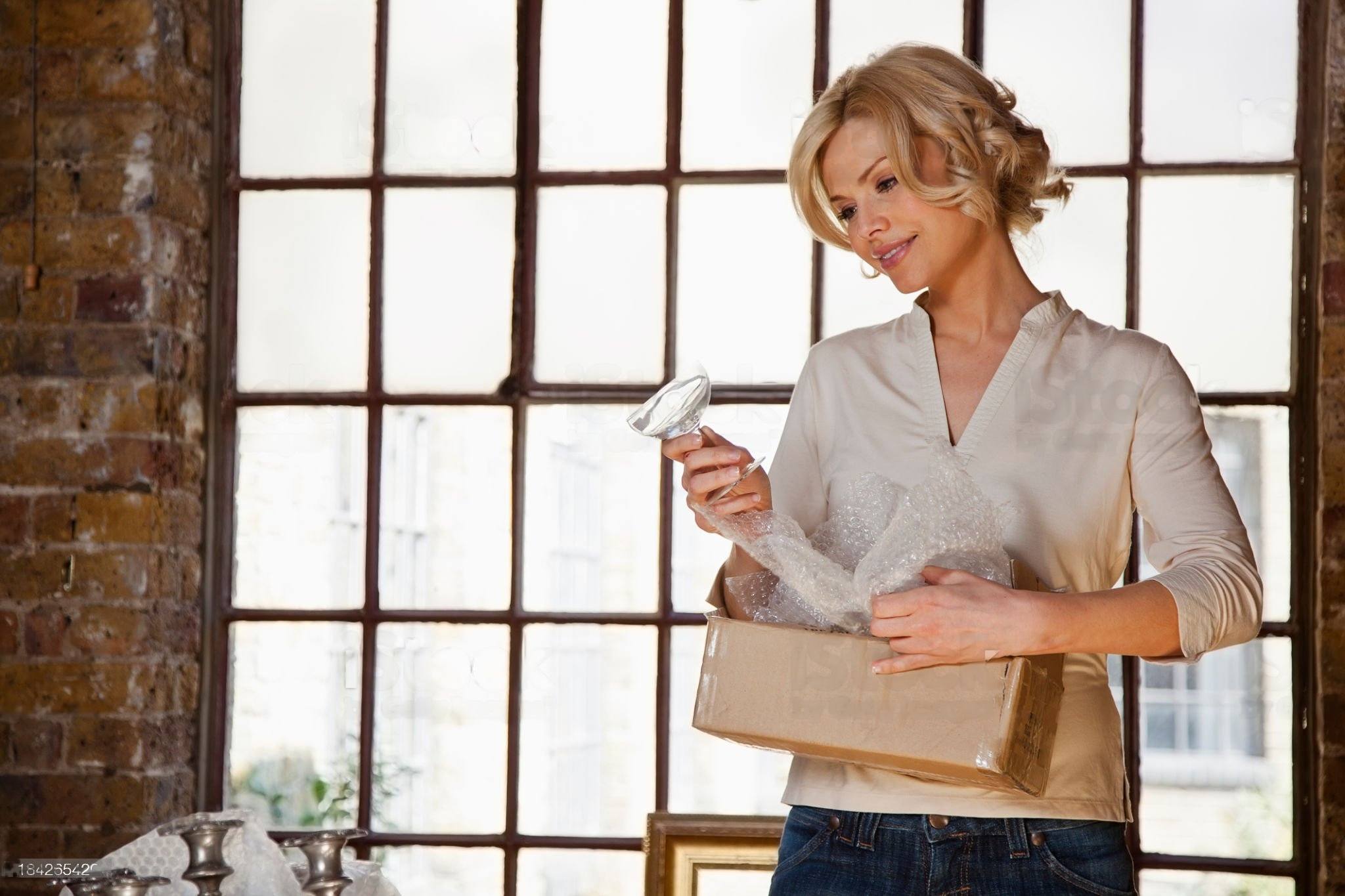
Essential supplies for packing wine glasses
Required packing materials:
Boxes with compartments (preferable)
Removable cell dividers
Empty moving boxes
Tissue paper
Newspaper without ink
Bubble wrap
Cardboard dividers for layering (if empty boxes are used)
Packing tape
When moving, attention to detail is crucial. After an exhausting day of packing and transporting, the satisfaction of unpacking a box containing securely packed wine glasses—alongside a glass of your favorite Cabernet—might be just the boost you need to finish the remaining tasks. Here’s a guide on how to pack wine glasses for storage or transport, ensuring they remain intact and free from damage during the move.
Purchase or recycle boxes with cells
Choosing the right box is paramount to ensuring the safety of your glassware during transit. Ideally, select boxes with built-in cells—cardboard dividers that form individual compartments for each glass. These boxes, commonly available at wine and liquor stores, often come with the option for customers to borrow them for moving purposes. If you wish to save costs, inquire about any unused boxes they might be willing to part with.
Alternatively, look for “dish packs” with double-thick walls and compartments, typically measuring around 5.2 cubic feet. These boxes, often employed by professional movers, are designed to protect fragile items. You can find them for approximately $6 each at online retailers, as well as at home improvement or hardware stores.
Gather necessary packing materials
The right packing materials will ensure that your choice of boxes supports the safe transport of your wine glasses.
The following materials are essential for optimal protection:
Tissue paper
Ink-free newspaper (since ink can transfer to glass)
Bubble wrap
Cardboard divider sheets for layering (if using empty boxes)
While some materials may not be strictly necessary, certain options are both more affordable and readily available. Once you’ve selected the appropriate boxes (with or without compartments), it becomes easier to determine the additional supplies you’ll need. Consider keeping some of these materials for packing dishes or cookware you only use occasionally.
For empty boxes, wrapping each glass in bubble wrap followed by a layer of packing paper is advisable. If you are using boxes with compartments, two layers of newspaper (free of print) should suffice. Rest assured that additional padding can be added when stacking and securing the glasses.
Burrito-style Wrapping for wine glasses
For an extra layer of protection, you can “burrito-wrap” your wine glasses. Depending on the size of your glassware collection and your desired level of caution, this method may take an hour or two.
Follow these steps for a burrito-style wrap:
Gently stuff the glass globes with tissue paper—especially for larger red wine glasses.
Place a glass at the edge of a piece of bubble wrap or packing paper.
Carefully roll the glass, tucking the sides of the paper inward as you go, similar to wrapping a burrito.
Continue rolling the glass, applying layers of bubble wrap or paper, until fully encased.
Repeat these steps to add multiple layers of cushioning.
Layering and padding the wine glasses
When using boxes with removable cells, or even empty boxes, line the bottom with multiple layers of packing paper or place cardboard divider sheets. Place each wrapped wine glass, stem-first, into the compartments, adding additional tissue or print-free newspaper to minimize movement.
If your boxes lack compartments, stack the wrapped glasses upright in the box, from stem to rim. This positioning reduces the strain on the more delicate parts of the glasses, offering better security during the move.
To further safeguard the glasses, add another layer of cardboard and continue layering until the box is nearly full. Seal the box with a final cardboard layer.
For both types of boxes, fill any gaps with balled-up paper or bubble wrap to prevent shifting. The aim is to prevent any movement that could cause breakage or damage. Don’t cut corners now—ensure the safe transport of your cherished glassware.
Secure the box and test for stability
After sealing the box, gently shake it. Listen for any rattling or shifting. If you detect movement, add more packing materials. Once satisfied that the box is securely packed, tape it shut with packing tape. If using recycled boxes, check that the bottom seams are adequately secured.
Label the box clearly with the word “FRAGILE” in bold letters, and specify that it contains wine glasses. You can also add “UP” arrows to indicate the proper orientation for stacking during transport.
Bubble wrap vs. Paper for wine glass protection
You might be debating whether to use bubble wrap or paper for wrapping your wine glasses. Generally, bubble wrap provides superior cushioning, making it the preferred choice for fragile glassware. It offers extra protection against breakage during transit.
Some individuals, however, opt for paper wrap to avoid the circular imprints that bubble wrap can sometimes leave on glass surfaces. If you prefer paper wrap, ensure you use several layers and wrap each glass securely.
Packing wine glasses yourself vs. professional movers
If you follow these steps carefully, you should be able to pack and transport your wine glasses safely. However, packing fragile items can be a stressful task for some. If you prefer not to handle it yourself, consider hiring a professional moving company to pack and unpack your items for you. Many moving companies offer packing services at an additional cost, typically around $1,000, depending on the size of the move.
How to pack wine glasses in a suitcase?
When traveling, packing wine glasses in your suitcase can be tricky. If you don’t have tissue paper, start by wrapping each glass in a brown paper bag. To prevent movement inside the suitcase, create your own “cells” using Styrofoam plates or other cushioning materials. Be sure to pad the bottom of your suitcase for added protection.
Effective wine glass storage solutions
When storing wine glasses, it’s best to keep them upright. Although many people prefer to store glasses upside down, placing them rim-up is generally the safest method. Storing glasses this way avoids placing unnecessary pressure on the fragile rim, preventing cracks or breaks.
Is it necessary to store wine glasses upside down?
Unlike plates, wine glasses should be placed in storage as they would be in a cupboard—either upright or rim-up is acceptable, but avoid storing them sideways.
Contact Empire Movers and Storage NYC for expert packing services
For further assistance and professional moving services, contact Empire Movers and Storage NYC.