
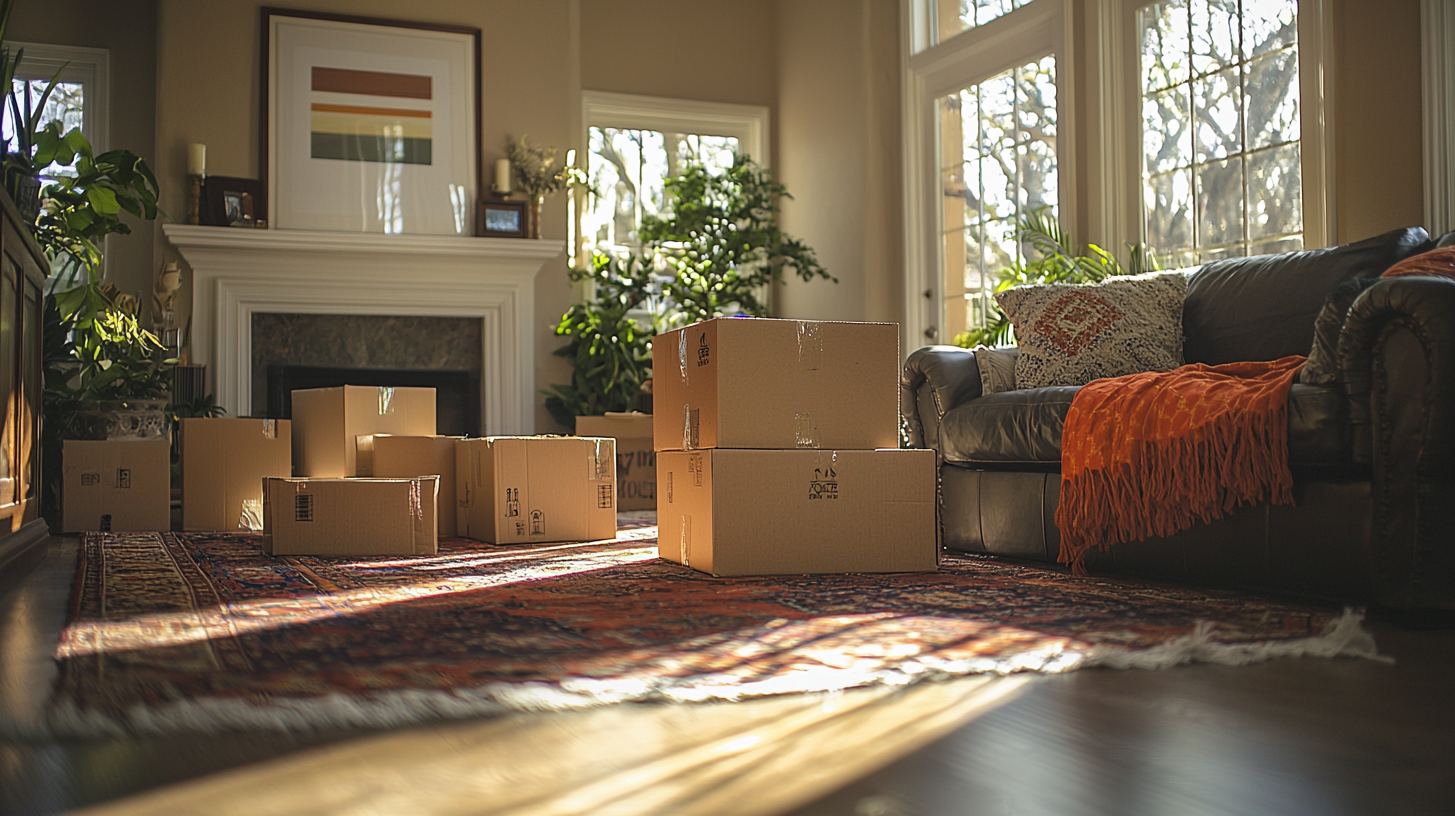
Have you ever spent hours packing boxes only to realize half your belongings aren’t properly secured? Imagine arriving at your new home to find shattered dishes, scratched furniture, and a mountain of unlabeled containers. This chaos is avoidable. Residential moving and family relocation require careful planning, especially in cities like New York where narrow staircases and tight schedules can add to the stress. We’ll explore how to safeguard your possessions, adapt to urban logistics, prioritize neighborhood essentials, and leverage professional expertise – turning relocation from a nightmare into a streamlined process.
1. Safety first: Protecting belongings during transit
Industry reports reveal that 30% of DIY moves result in damaged items, often due to inadequate packing. Professional movers mitigate this risk through methodical preparation. Using high-quality materials and packing techniques, they ensure that your belongings are securely packed and transported. This focus on safety can significantly reduce the risk of damage during transit.
How to pack fragile items in 3 stages?
Phase 1: Wrap glassware and ceramics in acid-free paper. Phase 2: Secure them in double-walled boxes with cushioning to fill any gaps. Phase 3: Label boxes “FRAGILE” on multiple sides. A family in Chicago avoided $2,000 in losses by hiring movers who used custom crates for their antique collection.
Professional movers often use custom crating to protect valuable items. This method ensures that fragile items are packed securely, minimizing the risk of damage. Additionally, labeling boxes clearly helps movers handle them with the necessary care.
Why box quality matters?
Reused grocery boxes collapse 58% faster than industrial-grade containers. One client learned this the hard way when a poorly sealed box spilled kitchen knives during transit. Investing in high-quality boxes can save you from similar mishaps.
High-quality boxes are designed to withstand the rigors of moving. They provide better protection for your belongings and reduce the likelihood of boxes collapsing under pressure. This investment can prevent accidents and ensure a smoother moving experience.
Pro Tip:
For electronics, use original packaging or anti-static wrap instead of newspaper to prevent residue. This ensures that your electronics are protected from static damage and arrive at your new home in perfect condition.
Good to know:
In earthquake-prone regions like California, movers often add seismic-rated straps to secure heavy furniture in trucks. This practice helps prevent damage during transit and ensures that your furniture arrives safely.
- ✓ Bubble wrap – Creates air cushions for delicate surfaces
- ✓ Furniture blankets – Prevent scratches during loading
- ✓ Color-coded labels – Speed up room-by-room unpacking
Using these materials can significantly enhance the safety of your belongings during the move. They provide additional protection and make the moving process more efficient.
2. Mastering urban moving challenges
Navigating high-rises with freight elevator restrictions or limited parking? Shuttle services become critical.
Urban moving often involves dealing with logistical challenges such as narrow streets, limited parking, and building restrictions. Professional movers like Empire Movers and Storage are experienced in navigating these obstacles and can help ensure a smooth transition.
Common mistake:
Assuming all buildings allow 24/7 access. Always confirm move-in policies with building management. This step can prevent unexpected delays and ensure a smoother move.
Building restrictions can vary, and understanding these rules in advance can help avoid complications on moving day. It’s important to communicate with building management to ensure compliance with all regulations.
Pro Tip:
Book mid-week moves for better elevator availability in luxury apartments. This timing can help avoid congestion and ensure a more efficient moving process.
Mid-week moves are often less busy, allowing for easier access to elevators and other facilities. This can reduce stress and make the moving process more efficient.
Urban moving resembles chess – success depends on anticipating logistical bottlenecks three moves ahead. Planning and strategy are key to navigating the complexities of urban moving.
Just like in chess, anticipating potential challenges and planning accordingly can lead to a successful move. This strategic approach can help ensure a smooth and efficient relocation.
3. Choosing neighborhoods with family-friendly amenities
When relocating, it’s important to consider the amenities available in your new neighborhood. Proximity to schools, parks, and healthcare facilities can significantly impact your family’s quality of life.
How to evaluate amenities?
Step 1: Map essential services within a 1-mile radius. Step 2: Test commute times during rush hour. Step 3: Verify parking regulations for recreational vehicles if relocating boats.
Evaluating amenities involves understanding the availability and accessibility of essential services. This information can help you make informed decisions about your new neighborhood.
Storage solutions for transition periods
Short-term climate-controlled storage helped a Seattle family preserve musical instruments during a cross-country relocation. This solution provided peace of mind and ensured the safety of their valuable possessions.
Storage solutions can be a valuable resource during transitions, providing a safe place for belongings while you settle into your new home. This flexibility can make the moving process less stressful and more manageable.
Pro Tip:
Request third-party cleaning services to deep-clean your old home post-move, easing the selling process. This service can help prepare your home for sale and ensure a smooth transition to your new residence.
Residential moving and family relocation success hinges on marrying safety protocols with local expertise. Companies like Empire Movers and Storage exemplify this through their white-glove services – from disassembling century-old pianos to coordinating with doorman buildings. As urban landscapes evolve, so do relocation strategies. The next wave? Drone-assisted inventory checks and AI-powered move planning. But for now, combining proven methods with professional partnerships remains the smartest path to a seamless transition.
Always request a free estimate – Empire Movers’ transparent pricing helped 84% of clients stay within budget last year. Your dream home awaits, but only if you bridge the gap between chaos and coordination.