

Why you need a climate-controlled storage unit?
If you’re considering storing furniture, it’s important to understand how climate-controlled storage works. Furniture is usually made from materials like wood, leather, fabric, and metal. So extreme temperatures or humidity can harm them. Climate-controlled storage facilities keep your furniture safe by keeping the temperature and humidity steady.
This guide will show you why a climate-controlled storage facility is necessary. Also, we’ll tell you what kinds of facilities have it, and how you can benefit from these special storage options.

What is a climate-controlled storage unit?
A climate-controlled storage unit is a specialized storage space designed to maintain steady temperature and humidity levels. Unlike standard public storage units, these indoor storage units have heating, air conditioning, and ventilation systems. These create a climate-controlled environment. This helps prevent damage from mold and mildew, warping, cracking, or other environmental hazards.
By renting a climate-controlled unit, you ensure your furniture remains in excellent condition, even during long-term storage. Getting climate-controlled storage is a smart move if you’re moving, downsizing, or need some extra space.
Why does furniture require climate-controlled storage?
Furniture is an investment, and improper furniture storage can lead to costly damage. It can range from ancestral antiques to modern designer pieces. However, if furniture is not stored properly, it can get damaged. Wrapping, cracking, peeling, and fading can result from variations in temperature and humidity.
Wood is a natural material, so it gets bigger or smaller with changes in humidity. This can weaken joints and cause cracks. Fabrics might become stained or grow mold and mildew, while leather can dry up and break.
Here’s how different materials react to poor storage conditions:
1. Wood furniture
- High humidity causes wood to expand and warp.
- Extreme temperatures lead to cracking and splitting.
- Climate-controlled units prevent these issues by maintaining stable conditions.
2. Leather furniture
- Humidity can cause mold and mildew to form.
- Dry air makes leather brittle and prone to cracking.
- A climate-controlled storage unit provides balanced moisture levels to preserve your furniture’s quality.
3. Fabric upholstery
- The fabric absorbs moisture, leading to stains, odors, and mildew.
- Consistent temperature and humidity levels keep upholstery fresh and free from bacteria.
4. Metal components
- Moisture leads to rust and corrosion, weakening the structure.
- Climate-controlled spaces keep metal elements intact, preventing oxidation.
5. Musical instruments & specialty items
- Items like pianos, violins, and guitars need climate-controlled storage to prevent warping and damage.
- Specialty items like antiques and collectibles also require climate-controlled protection.
Storing your furniture and valuables in climate-controlled spaces helps prevent serious damage.
The benefits of climate-controlled storage
Using a climate-controlled storage unit offers several key advantages:
1. Protects against temperature extremes
A climate-controlled environment protects your furniture from sudden extreme temperatures. Extreme heat or cold won’t compromise the structural integrity of the furniture thanks to temperature regulation. Consistent temperature levels aid in preventing material expansion and contraction, protecting the furniture’s original shape.
2. Prevents mold and mildew growth
Moisture is a major threat to furniture, leading to mold and mildew. A climate-controlled storage unit keeps humidity low, preventing fungal growth and musty odors. Increased humidity can encourage the development of mold and mildew, causing harm.
On the other hand, extreme dryness can make materials like wood brittle and lose their suppleness. These issues are kept away, and the furniture stays in good shape because of the climate-controlled units.
3. Guards against pests
Public storage units without climate control can attract rodents and insects. Particularly susceptible to termite infestations and other wood-boring insects is wooden furniture. With its tightly enclosed atmosphere, a climate-controlled storage container works as a barrier against these pests. Climate-controlled spaces reduce the risk by reducing excess moisture that attracts pests.
4. Maintains aesthetic appeal
Furniture is frequently chosen for its aesthetic value in addition to its practicality. Design, color, and texture all influence the atmosphere of a living area.
Extreme heat and humidity can degrade finishes, fade colors, and reduce the visual appeal of furniture. Indoor storage units help keep your furniture looking great, so it stays as nice as the day you first stored it.
5. Provides peace of mind
Knowing your furniture is in a climate-controlled environment gives you peace of mind. Knowing that your precious things are in a safe, regulated environment reduces worries about possible harm.
Downsizing, decluttering, or storing belongings during a move can be stressful. Knowing that your furniture is being handled with the utmost care is invaluable. This ensures that it remains in top condition and is ready to use whenever you need it.
How to store furniture in a climate-controlled storage unit?
You can keep your furniture for many years if you know how to store it in a container correctly. Proper furniture storage does require some additional labor, but it is well worth it. You should protect every item, whether they are valuable antiques or inexpensive chairs for your child’s dorm room.
Now that you know the benefits of climate-controlled storage, here’s how to properly store your furniture.

1. Clean and Dry Everything
- Use a wood cleaner for wooden furniture to preserve its finish. For valuable wood (like antiques), use a special wood cleaner (e.g., Murphy’s Oil Soap) and dry thoroughly.
- Vacuum fabric upholstery and apply upholstery cleaner to remove dirt and allergens.
- Use a fabric cleaner for fabric items, and ensure everything is dry before packing. This helps prevent moisture buildup.
- Polish metal surfaces with a metal cleaner and cloth to prevent rust and tarnish.
- Avoid storing dirty or old items in drawers to prevent dust and mold.
2. Disassemble large furniture
- Disassemble as much furniture as you can before transporting it and storing it to lessen the chance of breakage.
- Take apart tables, bed frames, and bookshelves to make transport easier.
- Pack all bolts, screws, and Allen keys in baggies with labels and tape them inside the component to which they belong.
- Keep in mind that tape can leave scratches or residue on delicate finishes. Always tape from the inside and away from finished surfaces.
3. Use protective covers
- Cover the floor with plastic sheeting. This will help stop moisture from getting into your furniture if your storage isn’t climate-controlled.
- To shield your furniture from dust, throw some sheets, furniture blankets, or fabric drop cloths over it. Don’t use plastic covers. They can cause moisture to build up, leading to swelling and damage to the finish, even in an air-conditioned apartment.
- Avoid airtight plastic, as it can trap moisture and lead to mold issues.
- Start by packing paper-wrapping mirrors and glass tables. Avoid applying tape directly to glass as it leaves a difficult-to-remove sticky residue.
- Once you wrap these items in paper, add a lot of bubble wrap on top. Then, put them in a long, flat box for extra security. TV and picture boxes are excellent for this.
4. Stack smartly
- Do not overload. This prevents unnecessary pressure on delicate items.
- The more things you try to jam into a space, the more likely you are to break, bend, or otherwise harm your possessions.
- Ask a staff member for help choosing a suitable size unit. Set up your unit so that everything is accessible by taking a few minutes.
- Logically arrange furniture by placing the bigger pieces in the back and the smallest pieces and boxes in the front.
- Provide sufficient access to your unit’s sides and back. Keep your area organized and clutter-free.
5. Keep furniture elevated
- Place items on pallets or blocks to allow air circulation and protect against unexpected spills or flooding.
- Steer clear of placing furniture straight on the ground, especially if it contains priceless antiques or fragile upholstery.
- Use pallets or cinder blocks to add an additional layer of defense against flood damage.
Proper furniture storage ensures your belongings stay in great condition for long-term storage.
8 items that must be kept in climate controlled storage
Many items need special care, and some may deteriorate quickly without a controlled environment. Here are eight important items that should always be stored in climate-controlled storage:
1. Antique wooden furniture
Wooden furniture, especially antiques, can warp, crack, or rot due to humidity and temperature changes. If you have a cherished family dresser, piano, or any antique, consider using climate-controlled storage. This type of storage can help protect your items.
2. Consumer electronics
Electronics like computers, TVs, and audio equipment are highly sensitive to moisture. Even slight exposure to humidity can cause rust or short circuits when powered on. Storing them in a controlled environment prevents condensation buildup and extends their lifespan.
3. Clothing
While regular storage may work for everyday clothing, delicate fabrics, furs, and vintage garments require climate control. Proper storage helps prevent mold, mildew, and fabric deterioration, keeping your clothes in excellent condition.
4. Media storage equipment
If you have DVDs, CDs, vinyl records, tapes, or photographs, they can be damaged by heat and humidity. Climate-controlled storage ensures your media collections stay protected from warping, fading, and degradation.
5. Pharmaceuticals and medical supplies
Many medications and medical supplies must be stored within a specific temperature range to remain effective. If your prescription bottles list storage instructions, following them is crucial to avoid spoilage or reduced potency.
6. Collectibles
Whether it’s vintage artwork, a bottle of fine wine, rare books, or even a classic car, collectibles need special care. Improper storage can lead to fading, warping, or other irreversible damage. A climate-controlled unit ensures these valuable items stay in top shape.
7. Important paperwork
Tax records, legal documents, and other essential papers can fade, become brittle, or develop mold in fluctuating temperatures. Keeping them in a stable, climate-controlled environment preserves their readability and integrity.
8. Leather furniture
Leather is highly sensitive to moisture and temperature changes. Without proper storage, it can crack, shrink, or become discolored. Like antique wood furniture, leather items should be kept in climate-controlled areas. This helps keep them durable and looking good.
Is a climate-controlled storage unit worth it?
You might be wondering, is renting a climate-controlled storage unit worth the extra cost? The answer depends on:
Your location
If you live somewhere with high humidity or extreme temperatures, climate-controlled storage is a good idea. New York has freezing winters and hot, humid summers, which can damage your belongings.
Changes in temperature and moisture can cause warping, mold, and rust. Since New York is also known for small apartments, many people rely on storage units for extra space. If the weather in your area changes a lot, a climate-controlled unit is the safest option.
How long you’re storing items
The longer you store your belongings, the more risk there is of damage. If you’re only storing something for a short time, a regular unit might be okay. But for long-term storage, climate control:
- Protects furniture from warping
- Protects electronics from rusting
- Protects fabrics from getting moldy
If you plan to store seasonal clothes, important papers, or collectibles, climate-controlled storage keeps them in good shape for months or years.
The value of your items
If you’re storing expensive or sentimental items, climate-controlled storage is worth it. Furniture, electronics, artwork, and antiques can be ruined by extreme temperatures and moisture. Climate control helps protect delicate materials like wood, leather, and paper. The extra cost is small compared to the risk of losing valuable or meaningful belongings.
Choose climate-controlled storage for your furniture
When it comes to furniture storage, a climate-controlled storage unit is the best way to protect your investment. Climate-controlled spaces help prevent mold and mildew. They also protect your furniture from extreme temperatures, keeping it in top shape.
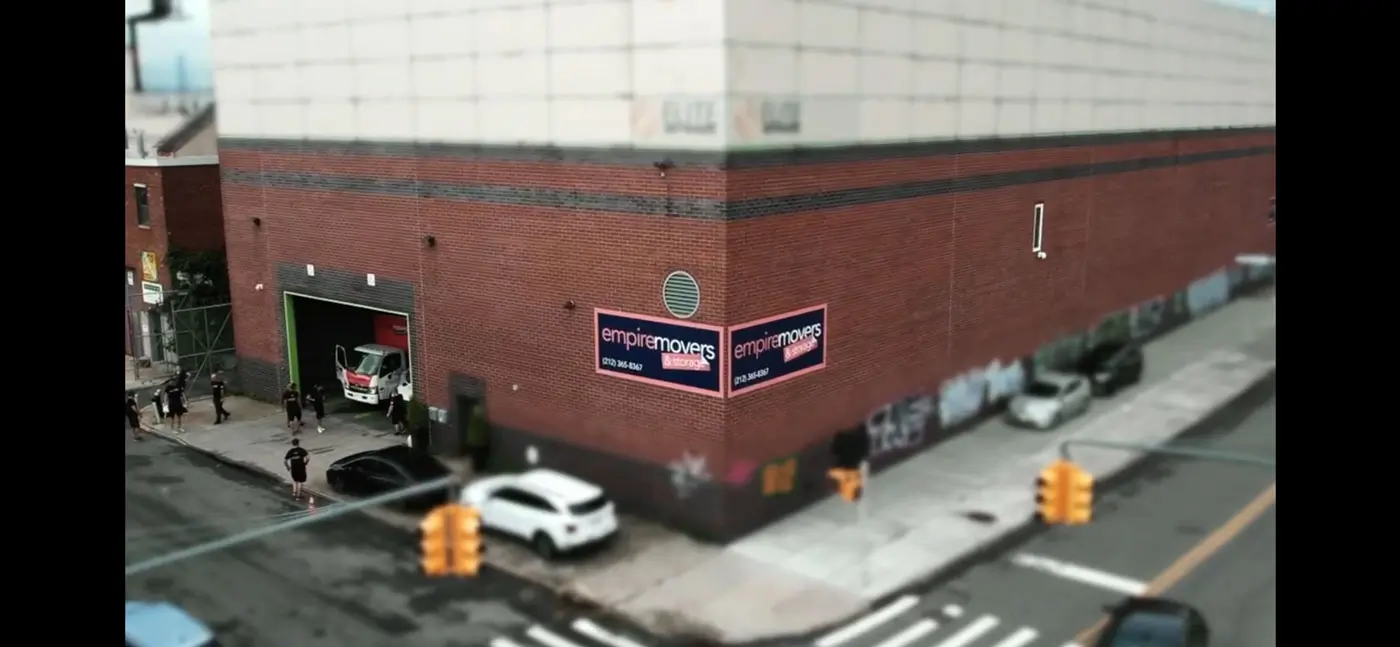
Empire Movers & Storage provides top-tier climate-controlled storage options in New York City. With secure indoor storage units designed to protect your furniture from the elements. So that you can store your valuables with confidence.
Don’t risk damaging your furniture! Renting a climate-controlled unit ensures that your items stay safe and well-preserved. Contact Empire Movers & Storage today for the best climate-controlled storage options!
Explore more from our blog collection
Contact Empire Movers & Storage – NYC today!
Our Locations:
- Manhattan: 641 Lexington Ave, 14th Floor, New York, NY 10018, United States
- Long Island City: 3030 Hunters Point Ave, Long Island City, NY 11101, United States
Reach Us:
- Phone: +1 212-365-8367
- Email: [email protected]

Luisa Pop
In my role, I blend my love for writing with my digital marketing skills to create content that really speaks to our readers. I keep myself updated on the latest industry trends to ensure my contributions are relevant and helpful, especially in the moving and storage sector.