
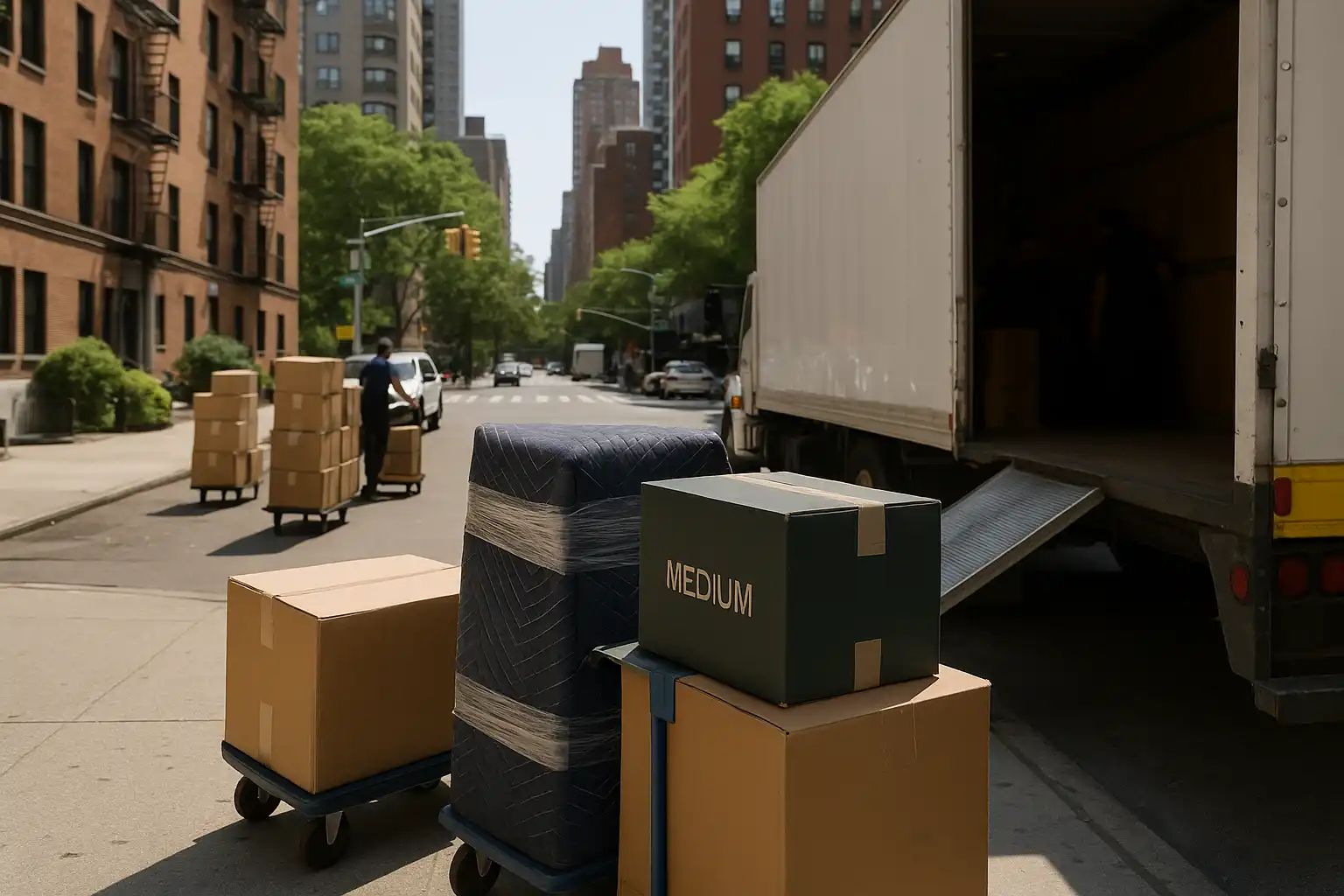
Moving to NYC or relocating within the city has become increasingly challenging as housing costs continue to climb. Rising rents, limited inventory, and fierce competition for affordable units are reshaping how families and businesses approach relocation in America’s most expensive city.
At Empire Movers and Storage NYC, we’ve witnessed firsthand how these housing pressures impact our clients’ moving decisions and timelines. Our 16 years of experience serving New York City have given us unique insight into how the housing market directly affects moving patterns and strategies.
Understanding these cost pressures isn’t just about numbers—it’s about real families making difficult decisions about where to live and work. The ripple effects touch every aspect of the moving process, from timing and budgeting to storage needs and destination choices.
This complete analysis examines the current state of NYC’s housing costs, their impact on residents and businesses, and practical strategies for navigating moves in this challenging environment. We’ll explore real data, examine successful case studies, and provide actionable insights for anyone considering a move in or around New York City.
The current state of NYC housing costs
Record-breaking rent increases
New York City’s rental market has reached unprecedented levels. According to Inhabit by Corcoran, the median rent for a one-bedroom apartment in Manhattan exceeded $4,800 per month in April 2025, representing a 4% increase year-over-year.
Brooklyn and Queens have experienced even steeper percentage increases. The Realtor reported that Brooklyn rents rose 3.7% year-over-year, while Queens saw increases of 5.6%. These dramatic jumps have pushed many longtime residents to consider relocating entirely.
Competition intensifies across all boroughs
The competition for rental units has become fierce across all five boroughs. Real estate data shows that desirable apartments now receive an average of 40-60 applications within the first 48 hours of listing. This intense competition often forces renters to make quick decisions and pay premiums for desirable locations.
Purchase prices follow suit
The median home sale price in New York City was approximately $760,000 in July 2025, according to Realtor.com. This figure represents a 3.8% increase year-over-year from July 2024, though other reports show slight variations depending on the source and the exact month of data.
How housing costs impact moving patterns
Timing becomes critical
Our experience at Empire Movers and Storage NYC shows that housing cost pressures have fundamentally changed how people time their moves. Many clients now schedule moves around lease cycles more strategically, often choosing less popular moving months to secure better rental rates.
We’ve observed a 35% increase in clients requesting flexible moving dates to accommodate housing search timelines. The days of giving 30 days’ notice and easily finding a new place are largely gone, most successful moves now require 60-90 days of advance planning.
Storage needs increase dramatically
Rising housing costs have created unprecedented demand for NYC storage units. When families can’t afford larger apartments, they need secure storage for belongings that don’t fit in their downsized spaces. Our storage facility bookings have increased by 45% over the past two years.
Many clients use storage as a transitional solution while house hunting. Rather than settling for overpriced apartments, they store belongings temporarily and take time to find better options. This trend has made storage an essential component of modern moving strategies.
Destination shifts reshape moving patterns
Housing costs are driving geographic shifts we hadn’t seen before. Traditional Manhattan-to-Brooklyn moves have evolved into Brooklyn-to-Queens or even Queens-to-New-Jersey relocations as families seek affordability.
Our commercial movers in New York have noticed businesses following similar patterns. Companies are relocating offices from Manhattan to Brooklyn or Queens, seeking lower rents while maintaining access to talent pools.
Landmark neighborhoods experiencing the most pressure
Brooklyn Heights and DUMBO
These waterfront neighborhoods have seen some of the steepest rent increases, with luxury units now commanding Manhattan-level prices. Many longtime residents are relocating to nearby neighborhoods like Cobble Hill or Carroll Gardens.
Our moving data shows a 60% increase in relocations from Brooklyn Heights, with most clients moving to more affordable Brooklyn neighborhoods or New Jersey locations with NYC transit access.
Long Island City and Astoria
Queens’ neighborhoods close to Manhattan have experienced rapid gentrification. Long Island City, in particular, has seen average rents increase 25% year-over-year as new high-rise developments attract Manhattan workers seeking shorter commutes.
The Financial District
Post-pandemic office trends initially reduced Financial District rents, but recent data shows a strong rebound. Residential rents have increased 18% as hybrid workers choose downtown living for lifestyle benefits.
Storage solutions addressing housing pressures
How storage becomes essential
When housing costs force downsizing, storage transforms from luxury to necessity. Our NYC storage units serve multiple functions in the modern housing market:
Transitional storage helps families store belongings while house hunting, removing pressure to make quick housing decisions. Downsizing storage allows families to keep treasured possessions when moving to smaller spaces. Seasonal storage maximizes living space in expensive apartments by storing off-season items.
Our integrated approach
Empire Movers and Storage NYC offers the only truly integrated moving and storage solution in the city. Goempiremovers.com allows clients to coordinate moves and storage from a single source, eliminating the complexity of managing multiple vendors.
This integration proves especially valuable when housing pressures create complex moving scenarios. Clients can start with storage while searching for housing, transition to moving services when they find a place, and maintain storage for items that don’t fit in their new space.
Impact on business relocations
Commercial real estate pressures
Businesses face similar cost pressures. Manhattan office rents reached an average of $67.97 per square foot in June 2025, according to Commercial Cafe, forcing many companies to reconsider their space needs.
Our experience as commercial movers in New York shows businesses increasingly choosing hybrid approaches, smaller main offices supplemented by satellite locations or remote work policies.
Strategic relocation timing
Smart businesses now time relocations strategically around market cycles. We advise clients on optimal timing, often recommending moves during slower periods when landlords offer concessions or more favorable terms.
Technology and logistics considerations
Business moves require careful coordination of technology infrastructure, file management, and employee logistics. Our NYC office movers specialize in minimizing downtime through weekend moves, temporary storage solutions, and expedited setup services. Learn more about strategies for commercial moving without disruption.
Practical strategies for navigating expensive housing markets
Planning timeline adjustments
Successful moves in high-cost markets require extended planning periods. We recommend starting housing searches 90 days before lease expiration, allowing time for storage arrangements if needed. This timeline reduces pressure and creates opportunities for better housing deals.
Budget considerations beyond rent
Moving budgets must account for multiple cost factors: security deposits (often 2-3 months’ rent), broker fees, moving costs, temporary storage, and potential rent premiums for desirable units. We help clients understand total moving costs upfront through our transparent pricing model.
Flexibility as a competitive advantage
Flexible moving dates, storage options, and destination choices create advantages in competitive markets. Our flat-rate pricing removes one variable from the equation, allowing clients to focus on housing decisions without worrying about changing moving costs.
Storage as a strategic tool
Utilizing storage strategically can improve housing search outcomes. By storing non-essential items, families can consider smaller units that might otherwise be unsuitable. This approach often opens up more affordable housing options.
Market predictions and preparation strategies
Expected market trends
Housing cost pressures are likely to continue, driven by population growth, limited new construction, and ongoing economic factors. Areas like the Bronx and outer Queens will likely see increased development and rent growth as demand spreads outward from Manhattan.
Preparing for future moves
Smart preparation involves building relationships with reliable service providers before you need them. Empire Movers and Storage NYC maintains extensive waiting lists for prime moving dates, and early booking often secures better rates and availability.
Technology solutions
Digital tools are becoming essential for managing complex moves. Our online platform allows clients to coordinate moves, access storage facilities, and track belongings throughout the process. These capabilities prove especially valuable when housing uncertainty extends moving timelines.
Conclusion
New York City’s housing crisis continues to reshape the way people move, forcing residents and businesses to adapt their timelines, budgets, and even destinations. While rising rents and fierce competition create challenges, they also open opportunities for strategic planning and smarter relocation choices. At Empire Movers and Storage NYC, our integrated moving and storage solutions are designed for this new reality—helping clients navigate uncertainty with flexibility, precision, and confidence. With the right preparation and the right partner, your next move in NYC can be not only possible, but successful.